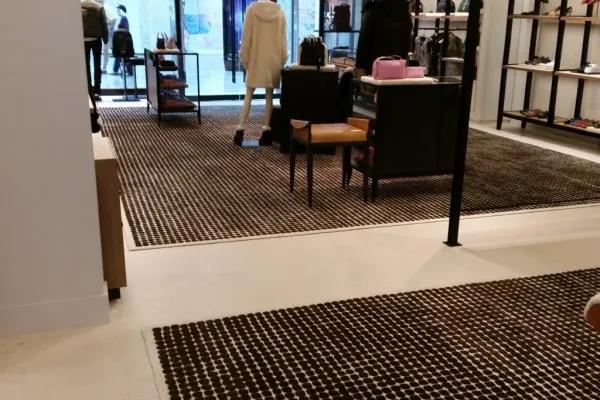
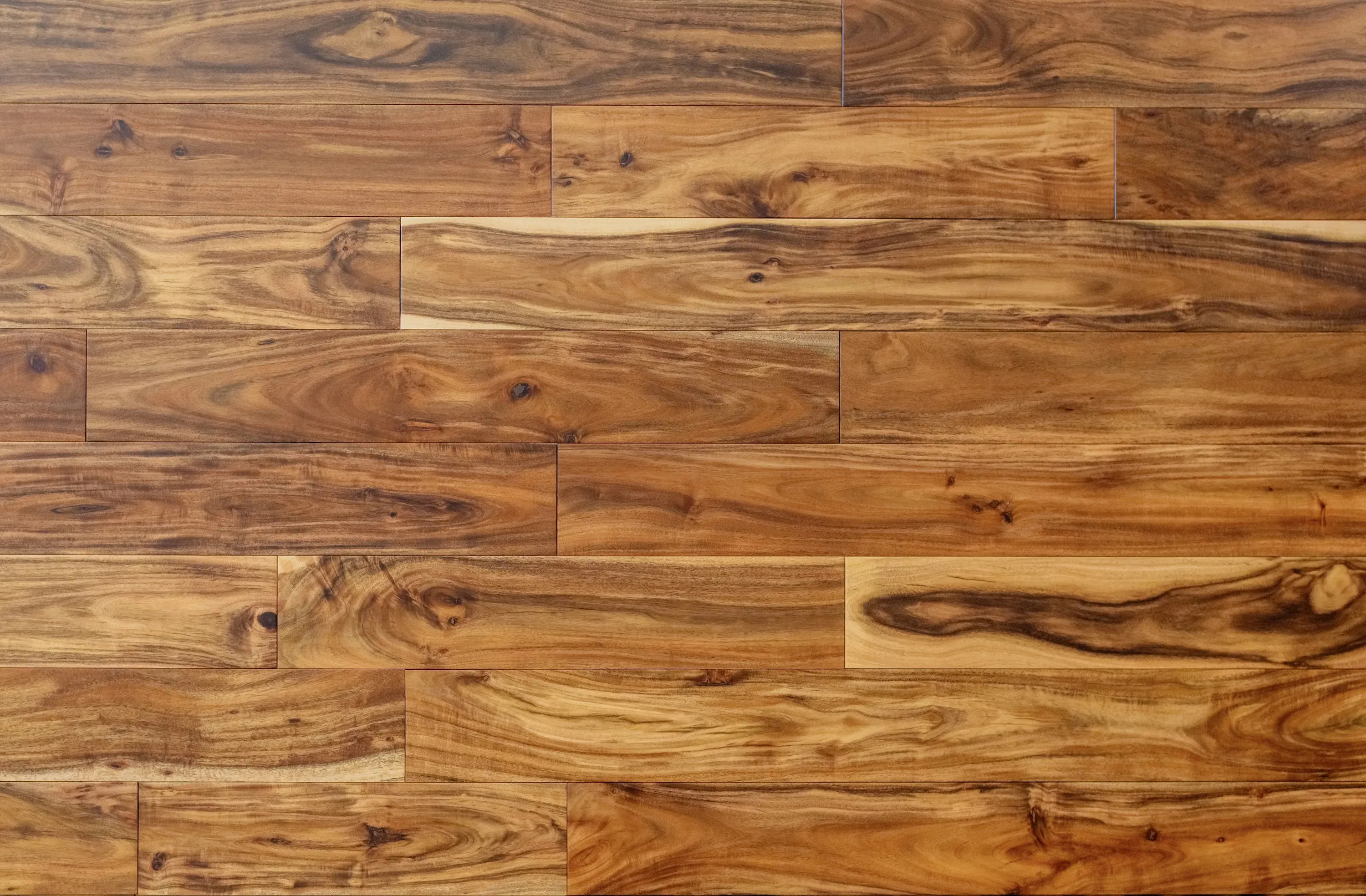
Premium hardwood flooring showcasing the timeless elegance that makes it a top choice for upscale commercial environments
When it comes to commercial flooring, two options consistently rise to the top of the conversation: Luxury Vinyl Tile (LVT) and hardwood flooring. Both offer stunning aesthetics and proven durability, but they serve different needs and budgets. For Phoenix and Scottsdale business owners, making the right choice can impact your brand perception, maintenance costs, and bottom line for decades.
In this comprehensive guide, we'll break down everything you need to know about LVT vs. hardwood flooring for commercial spaces—from upfront costs and long-term value to durability, maintenance, and the specific considerations for Arizona's unique climate.
What You'll Learn
- • Quick comparison: LVT vs. hardwood at a glance
- • Cost breakdown for commercial installation
- • Durability and lifespan comparison
- • Maintenance requirements and long-term costs
- • Best applications for each flooring type
- • Arizona climate considerations
- • How to choose the right option for your business
LVT vs. Hardwood: Quick Comparison
Before diving into the details, here's a side-by-side comparison of the key factors that matter most for commercial flooring decisions:
| Factor | LVT | Hardwood |
|---|---|---|
| Cost (Installed) | $4–$9/sq ft | $8–$15+/sq ft |
| Lifespan | 15–25 years | 50+ years (refinishable) |
| Water Resistance | Waterproof | Susceptible to damage |
| Maintenance | Low – sweep & mop | Medium – periodic refinishing |
| Scratch Resistance | High (20+ mil wear layer) | Moderate (varies by species) |
| Refinishing | Not possible | Yes (3–5+ times) |
| Resale Value Impact | Moderate | High |
| Installation Time | Fast (click-lock) | Longer (nail/glue down) |
| Best For | High-traffic, moisture areas | Upscale, long-term spaces |
Watch: LVT vs. Engineered Hardwood Comparison
A detailed comparison of luxury vinyl tile and engineered hardwood flooring options
Understanding Luxury Vinyl Tile (LVT)
Luxury Vinyl Tile has revolutionized commercial flooring over the past decade. According to Mannington Commercial, LVT continues growing in popularity due to its broad aesthetics, ease of maintenance, design flexibility, and durability.
How LVT Is Constructed
LVT consists of multiple engineered layers, each serving a specific purpose:
- 1Wear Layer: The topmost protective coating (measured in mils) that shields against scratches, stains, and wear. Commercial-grade LVT uses 20 mil or higher.
- 2Print Layer: A high-resolution photographic image that creates realistic wood, stone, or abstract designs.
- 3Vinyl Core: The structural backbone made from PVC resins, providing stability and durability.
- 4Backing Layer: Water-resistant or waterproof layer that adds stability and moisture protection.
LVT Pros and Cons for Commercial Spaces
LVT Advantages
- • 100% waterproof – ideal for kitchens, bathrooms, entrances
- • Lower upfront cost – $4-$9/sq ft installed
- • High scratch resistance – handles heavy foot traffic
- • Fast installation – click-lock systems minimize downtime
- • Low maintenance – simple sweep and mop cleaning
- • Design versatility – mimics wood, stone, concrete, abstract
- • Comfortable underfoot – softer than tile or concrete
- • Sound absorption – quieter than hard surfaces
LVT Limitations
- • Cannot be refinished – must replace when worn
- • Shorter lifespan – 15-25 years vs. 50+ for hardwood
- • Lower resale value perception – not "real" wood
- • UV sensitivity – can fade in direct sunlight
- • Not eco-friendly – synthetic materials (though recyclable)
- • Temperature sensitivity – can expand/contract
- • Denting from heavy furniture – requires felt pads
Understanding Hardwood Flooring
Hardwood flooring has been the gold standard for premium commercial spaces for centuries. Its natural beauty, durability, and ability to be refinished make it a true long-term investment. According to Angi's 2026 cost data, hardwood flooring costs $6-$12 per square foot for standard installations, with premium options reaching $25+ per square foot.
Solid vs. Engineered Hardwood
Solid Hardwood
Each plank is a single piece of hardwood from top to bottom. Can be refinished unlimited times and lasts 100+ years.
Best for: Ground-level installations in climate-controlled spaces. Not recommended for basements or over concrete.
Engineered Hardwood
Real hardwood veneer bonded to plywood or HDF layers. More stable in varying humidity and can be installed over concrete.
Best for: Arizona's dry climate, basements, radiant heat systems. Can be refinished 3-5 times depending on veneer thickness.
Arizona Tip: Engineered hardwood is strongly recommended over solid hardwood in Phoenix and Scottsdale. Arizona's low humidity (often below 20%) can cause solid hardwood to shrink, gap, and crack. Engineered hardwood's layered construction provides superior stability in our desert climate.
Hardwood Pros and Cons for Commercial Spaces
Hardwood Advantages
- • 50+ year lifespan – true long-term investment
- • Refinishable – renew appearance multiple times
- • Premium perception – elevates brand image
- • Increases property value – strong ROI
- • Natural beauty – unique grain patterns
- • Timeless appeal – never goes out of style
- • Eco-friendly options – FSC-certified, reclaimed wood
- • Hypoallergenic – doesn't trap dust/allergens
Hardwood Limitations
- • Higher upfront cost – $8-$15+/sq ft installed
- • Water damage susceptible – not for wet areas
- • Scratches and dents – softer species show wear
- • Humidity sensitive – requires climate control
- • Longer installation – more business disruption
- • Periodic refinishing costs – every 7-10 years
- • Noise – harder surface = more sound
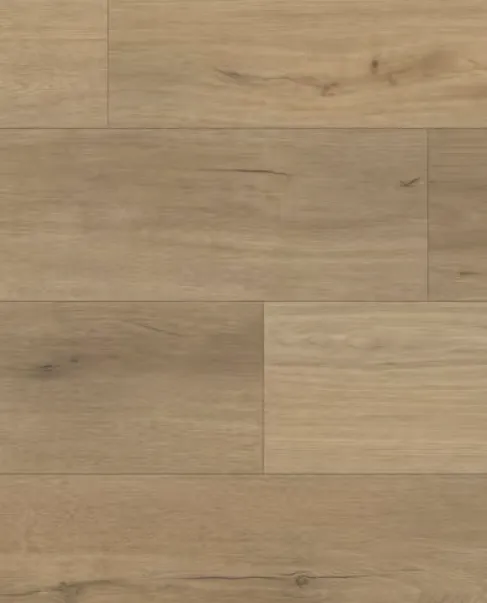
Modern LVT flooring can closely mimic the appearance of natural hardwood while offering superior water resistance
Watch: Real Wood vs. Luxury Vinyl Plank
An honest comparison to help you decide which flooring type is right for your space
Cost Analysis: Short-Term vs. Long-Term Value
When comparing LVT and hardwood costs, it's essential to look beyond the initial price tag. The true cost of flooring includes installation, maintenance, repairs, and eventual replacement.
Upfront Costs (Per Square Foot, Installed)
LVT Installation Costs
- Budget LVT (12 mil): $4–$6/sq ft
- Commercial LVT (20 mil): $6–$8/sq ft
- Premium LVT (30-40 mil): $8–$12/sq ft
*For a 2,000 sq ft space: $8,000–$24,000
Hardwood Installation Costs
- Engineered (standard): $8–$12/sq ft
- Engineered (premium): $12–$18/sq ft
- Solid hardwood: $10–$25/sq ft
*For a 2,000 sq ft space: $16,000–$50,000
30-Year Total Cost of Ownership
Here's where the math gets interesting. Let's compare the total cost over 30 years for a 2,000 sq ft commercial space:
| Cost Factor | LVT (20 mil) | Engineered Hardwood |
|---|---|---|
| Initial Installation | $14,000 | $24,000 |
| Replacement (Year 20) | $16,000 | $0 |
| Refinishing (Years 10, 20, 30) | $0 | $9,000 ($3k × 3) |
| Annual Maintenance | $600 ($20/yr × 30) | $900 ($30/yr × 30) |
| 30-Year Total | $30,600 | $33,900 |
Key Insight: While LVT has a lower 30-year cost, hardwood retains significant residual value. At year 30, your hardwood floor still has 20+ years of life remaining and adds to property value—LVT would need another replacement. For businesses planning to own their space long-term, hardwood often provides better ROI.
Best Applications: When to Choose LVT vs. Hardwood
The "right" choice depends entirely on your specific commercial environment. Here's a breakdown by business type:
Choose LVT For:
Restaurants & Cafes
Waterproof, easy to clean, handles spills and heavy foot traffic
Healthcare Facilities
Hygienic, slip-resistant options, comfortable for staff on their feet
Retail Stores
Design flexibility, handles shopping carts, quick installation
Multi-Family Housing
Durable, tenant-proof, cost-effective for unit turnovers
Gyms & Fitness Centers
Handles equipment, moisture-resistant, comfortable underfoot
Commercial Kitchens
100% waterproof, slip-resistant, easy sanitation
Choose Hardwood For:
Law Firms & Financial Services
Projects prestige, professionalism, and established success
Luxury Retail & Boutiques
Elevates brand perception, justifies premium pricing
Hotel Lobbies & Resorts
Creates memorable first impressions, timeless elegance
Executive Offices
Conveys success, impresses clients, long-term investment
Historic Buildings
Maintains architectural integrity, period-appropriate
Owner-Occupied Properties
Long-term value, refinishable, builds equity
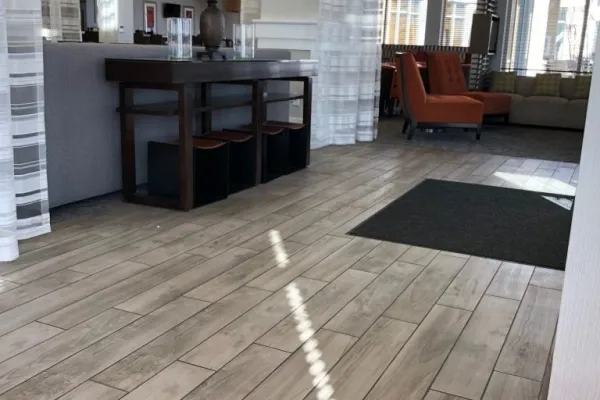
Many commercial spaces combine both flooring types—hardwood in guest-facing areas and LVT in high-moisture or back-of-house spaces
Arizona Climate Considerations
Phoenix and Scottsdale's desert climate creates unique challenges for flooring. Here's how LVT and hardwood perform in Arizona's conditions:
LVT in Arizona
- ✓ Handles temperature swings well
- ✓ Unaffected by low humidity
- ✓ Easy to clean desert dust
- ✓ Stays cool underfoot
- ⚠ Can fade in direct sunlight—use UV window film
- ⚠ May expand in extreme heat if not acclimated
Hardwood in Arizona
- ✓ Engineered hardwood performs excellently
- ✓ Adds warmth to modern desert aesthetics
- ✓ Refinishing restores sun-faded areas
- ✗ Solid hardwood NOT recommended—gaps/cracks
- ⚠ Requires humidity control (40-60% ideal)
- ⚠ Acclimate 5-7 days before installation
Watch: Solid Hardwood vs. LVP vs. Engineered Hardwood
Understanding the differences between all three flooring options to make the best choice
Making Your Decision: Key Questions to Ask
Still unsure which option is right for your commercial space? Answer these questions to guide your decision:
1. Is the space prone to water or moisture?
If yes → Choose LVT. Hardwood and water don't mix.
2. Do you own the building long-term (10+ years)?
If yes → Consider hardwood. The refinishing capability and property value boost pay off over time.
3. Is brand perception critical to your business?
If yes → Hardwood in client-facing areas. Nothing matches the prestige of real wood.
4. Do you need to minimize installation downtime?
If yes → Choose LVT. Click-lock installation is faster with less disruption.
5. Is upfront budget your primary constraint?
If yes → Choose LVT. You'll get excellent performance at 40-60% of hardwood's cost.
Pro Tip: Many of our Phoenix clients use both flooring types strategically—hardwood in lobbies, conference rooms, and executive offices; LVT in break rooms, restrooms, and high-traffic corridors. This approach maximizes both aesthetics and practicality while optimizing your budget.
Frequently Asked Questions
Is LVT or hardwood better for commercial spaces?
It depends on your priorities. LVT is better for high-traffic areas, moisture-prone spaces, and budget-conscious projects. Hardwood is better for upscale environments where aesthetics and long-term value are priorities. Many commercial spaces use both—hardwood in lobbies and showrooms, LVT in back-of-house and high-moisture areas.
How long does commercial LVT flooring last?
Commercial-grade LVT with a 20 mil or higher wear layer typically lasts 15-25 years in commercial settings. Higher-quality products with 30-40 mil wear layers can exceed 25 years. Proper maintenance and using entry mats to reduce debris can extend lifespan significantly.
How long does commercial hardwood flooring last?
Commercial hardwood flooring can last 50+ years with proper maintenance. The key advantage is that hardwood can be refinished multiple times (typically 3-5 times for engineered, unlimited for solid hardwood), essentially renewing the floor's appearance. This makes hardwood a true long-term investment.
What is the cost difference between LVT and hardwood for commercial installation?
Commercial LVT typically costs $4-$9 per square foot installed, while commercial hardwood ranges from $8-$15+ per square foot installed. However, hardwood's longer lifespan and refinishing capability can make it more cost-effective over 30+ years. LVT offers better short-term ROI for projects with 10-15 year renovation cycles.
Can LVT be used in commercial kitchens and bathrooms?
Yes, LVT is an excellent choice for commercial kitchens, bathrooms, and other moisture-prone areas. Its waterproof construction and slip-resistant options make it ideal where hardwood would fail. Many restaurants and hotels use LVT in kitchens while featuring hardwood in dining areas.
The Bottom Line
There's no universal "winner" in the LVT vs. hardwood debate—only the right choice for your specific situation. LVT offers unbeatable practicality, water resistance, and value for high-traffic commercial environments. Hardwood delivers timeless elegance, long-term value, and the prestige that certain businesses demand.
The best commercial flooring projects often incorporate both materials strategically, placing each where it performs best. Whether you're outfitting a new Phoenix office, renovating a Scottsdale retail space, or upgrading a hospitality property, the key is matching your flooring choice to your business goals, budget, and timeline.
About the Author
ABS Floor Covering Team
With over 100 years of combined experience in commercial flooring, the ABS Floor Covering team has installed both LVT and hardwood flooring in hundreds of commercial spaces across Phoenix, Scottsdale, and the greater Southwest. Our team includes ICRI-certified moisture testing specialists who ensure proper subfloor conditions for any flooring type.
Need Help Choosing the Right Flooring?
ABS Floor Covering offers free consultations to help Phoenix and Scottsdale businesses select the perfect flooring for their needs and budget. We'll assess your space, discuss your goals, and provide honest recommendations.